
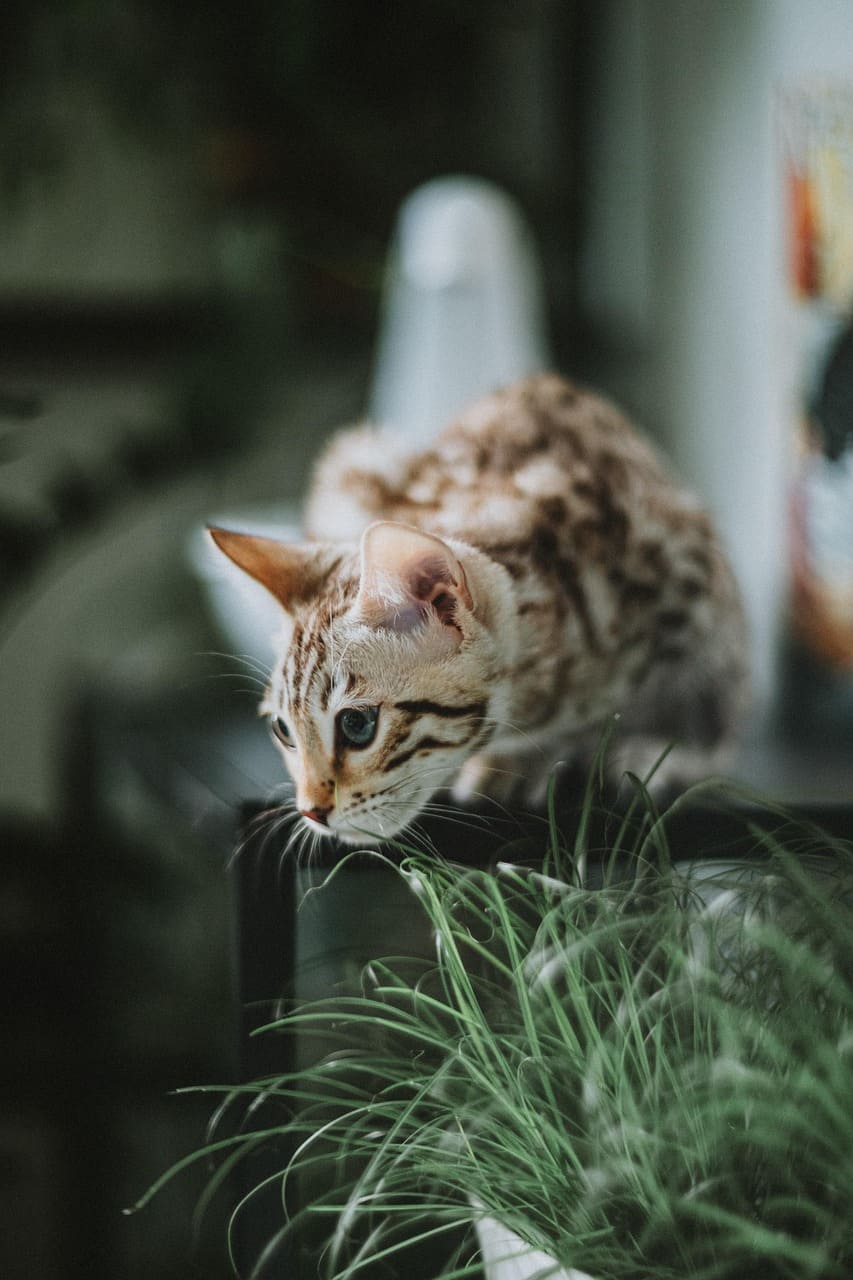
Graceful, striking, and full of energy, the Savannah cat is one of the most fascinating breeds in the feline world. With its tall, lean body, bold spots, and exotic heritage, the domestic cat Savannah looks like a creature straight out of the African plains — yet it thrives in homes across the world. This breed perfectly blends the elegance of the wild with the affection and intelligence of a domestic companion, creating a cat unlike any other.
The Wild Origins of the Savannah Cat
The story of the Savannah cat begins in the 1980s, when breeders set out to combine the exotic appearance of the African serval cat with the temperament of a domestic feline. The result was extraordinary — a hybrid cat that retained the serval’s long legs, striking ears, and spotted coat, yet adapted well to family life.
The first generation, known as the F1 Savannah cat, was born from a direct cross between a serval and a domestic cat. Because of this close link, F1 Savannahs tend to be larger and more wild in both appearance and behavior. Later generations (F2, F3, and so on) gradually became more domesticated, maintaining the breed’s signature look while becoming friendlier and easier to care for as household pets.
Over time, the breed earned recognition and admiration for its beauty and intelligence, eventually being accepted by major cat associations.
The Look of a Wildcat, the Heart of a Companion
One glance at a domestic cat Savannah, and it’s easy to see the serval influence. Their tall, athletic frame, long neck, and big, rounded ears give them an unmistakable wildcat allure. Their coats are short, sleek, and beautifully spotted, resembling that of their African ancestors.
Their markings range from black and brown spots on golden fur to silver and smoke patterns, depending on lineage. The overall impression is that of a small “sahara cat” — elegant, powerful, and agile.
Despite their wild appearance, Savannahs are affectionate, loyal, and intelligent companions. They’re known to form deep bonds with their humans, often following them around the house and even greeting them at the door — much like a dog would.
Personality and Behavior: The Best of Both Worlds
The Savannah cat is not your average house pet. This breed is active, intelligent, and curious — traits inherited from its serval cat ancestry. These cats love to play, climb, and explore. They need plenty of physical and mental stimulation, so puzzle toys, climbing towers, and interactive playtime are essential.
A well-socialized Savannah is also incredibly affectionate. They enjoy human company and can even learn to walk on a leash or play fetch. Many Savannah owners describe them as loyal and trainable — traits that set them apart from most domestic cats.
However, potential owners should understand that early-generation Savannahs, especially the F1 Savannah cat, retain more of the serval’s wild instincts. They’re larger, more energetic, and often require more space than typical cats. Later generations (F4 and beyond) are better suited for traditional home environments.
Their intelligence and athleticism make them endlessly entertaining but also quite demanding. They’re not a “curl-up-and-nap-all-day” type of cat — they’re more like having a small, energetic panther in your living room.
The Serval Connection: A Wild Heritage
The serval cat is a medium-sized wildcat native to Africa, known for its golden coat covered in black spots and its long legs — perfect for leaping and hunting in the grasslands. While a serval cat pet may look majestic, keeping one is challenging and often restricted by law due to their wild nature.
That’s where the Savannah cat comes in — offering the same exotic beauty in a far more manageable form. The Savannah retains the serval’s striking looks but with the affectionate, social nature of a domestic breed.
How the Savannah Compares to Other Exotic Breeds
The Savannah cat often gets compared to the Bengal cat, another hybrid breed with a wild look. Both share spotted coats and boundless energy, but they differ in lineage. Bengals descend from the Asian leopard cat, while Savannahs trace their roots to the African serval.
Where Bengals are typically smaller and more playful, Savannahs are taller, more dog-like in loyalty, and often more independent. Both, however, make excellent companions for experienced cat owners who appreciate intelligence and activity in their pets.
The Ideal Home for a Savannah Cat
Because of their size and activity level, Savannahs thrive in homes that offer space to explore and climb. Cat trees, shelves, and safe outdoor enclosures help satisfy their curiosity. They enjoy interactive play and companionship — both from their humans and other pets.
The domestic cat Savannah is best for owners who have the time, patience, and love to devote to such a dynamic and engaging breed.
A Touch of the Wild in Your Home
Owning a Savannah cat is like sharing your life with a little piece of the wild — the grace of the sahara cat, the elegance of the serval cat, and the loyalty of a true companion. From the majestic F1 Savannah cat to later generations that blend seamlessly into family life, this breed captures hearts with its rare mix of beauty, brains, and affection.
For those seeking a cat that’s as extraordinary as it is loving, the Savannah stands as one of the most captivating breeds in the world — a bridge between the wilderness and the warmth of home.